
Īśvara: Understanding the ‘God’ of Advaita Vedānta

For many modern seekers, the term ‘God’ carries heavy baggage, often tied to dualistic religions where a creator sits in a distant heaven, judging humanity from afar. When these seekers turn to Advaita Vedānta, they are often drawn to the uncompromising non-duality of Brahman—the formless, infinite, and attribute-less Absolute. However, as they delve into traditional scriptures like the Upaniṣads or the commentaries of Ādi Śaṅkara, they inevitably encounter the term Īśvara.

Far from being a ‘retrogressive step’ toward dualism, the concept of Īśvara is a sophisticated and necessary component of the Advaitic teaching methodology known as adhyāropa-apavāda (provisional attribution followed by subsequent rescission).

Continue reading
Chandogya Upanishad and Brahma Sutra Bhasya Part – 3

Part 2

Part 4

BSB 1.3.40                                                                                                                    The light mentioned in Ch 8.12.3 refers to Brahman and not the ordinary light because of the context in which it is used. The subject-matter is Brahman that is free from sin (Ch 8.7.1). It should be sought by an aspirant of liberation. It is also alluded to in, “I shall explain this very one to you over again” (Ch Up 8.9.3). And this Self is declared by way of attainment of this Light for becoming unembodied as mentioned in the statement, namely, happiness and sorrow do not touch one who is unembodied (Ch Up 8.9.1). Supreme Light is used in Ch Up 8.3.4 and transcendental being in Ch Up 8.12.3.

Continue reading

Tat Pada Vicāra – 3 Upādāna Kāraṇa

material causeIn the process of trying to understand īśvara (God) comprehensively, we discussed sṛṣṭi (creation), and established that this jagat (universe) is indeed a creation. We also saw that since it is so purposefully put together, there has to be an intelligent cause (nimitta kāraṇa) behind the creation; the, śruti (scriptures) reveals this person as īśvara.

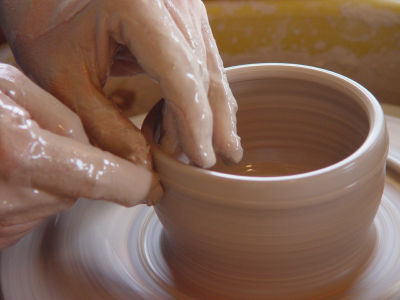
The potter creates a pot out of mud, so the next question that comes abegging is out of what did īśvara create the jagat. What was the material from which he created the jagat? Continue reading